What is the prettiest town on the Thames?
No official list exists, so here is a ranking built on checkable things: which towns keep a working river frontage, which still have boats, and what each one costs to see from the water.
 By James Whitfield, London river and travel writer
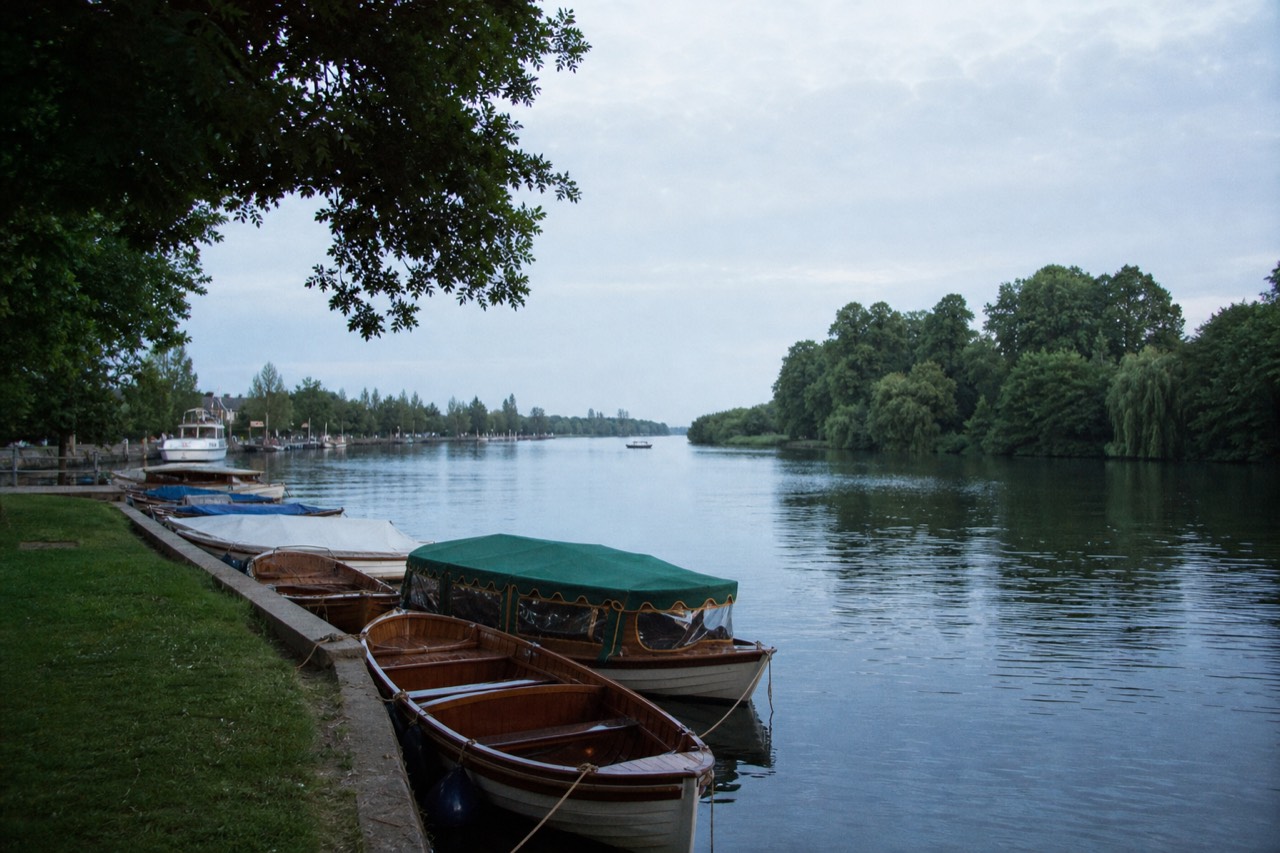
There is no official answer to this, and the absence is worth stating up front. Neither the national trail authority nor the Environment Agency nor any other primary body publishes a ranked list of the Thames's prettiest towns. Trail descriptions name scenic stretches, Cricklade and Lechlade in the upper reaches, the country either side of Oxford, Marlow and Henley, but they describe rather than rank, and nothing carries an official designation for looks.
So any ranking is a judgement. The trick is to build it out of things that can be checked instead of adjectives that cannot. I went through the 2026 timetables and fare pages of every operator still running scheduled passenger boats on the non-tidal Thames, which turns out to be a shorter list than most people assume, and set that against the river's own geography: where the water is wide, where the town actually faces it, and where a lock or a bridge gives the frontage some shape.
That produces a ranking with a bias, and the bias is deliberate. A town gets marked up for still having boats. A beautiful reach you can only walk past is a fine afternoon, but it is not the same purchase.
What is the prettiest town on the Thames?
Henley-on-Thames, on any reasonable reading. It has the widest, straightest and most deliberately kept reach on the whole river, a town frontage that faces the water rather than turning its back on it, and a passenger fleet that still runs a public timetable from April to the end of September. Windsor comes second, on a river that has to share attention with a castle.
The case for Henley rests on the Regatta reach, the mile or so of straight water between Marsh Lock and Hambleden Lock. It is the only stretch of the Thames that has been shaped and maintained for a century and a half around how it looks and how boats move on it, which is a very unusual thing for a working river. The banks are wooded, the water is wide, and the town sits at one end of it with a stone bridge across.
Windsor's river is prettier than most people notice, precisely because the castle takes the attention. The frontage below the bridge is a proper working promenade with a boatyard rhythm to it, and the round trips run upstream towards Boveney Lock and downstream through Romney Lock into open country.
Then there is a group of towns that are lovely and largely boatless: Goring in its gap between the Chilterns and the Berkshire Downs, Marlow with its suspension bridge and weir, Abingdon with its riverside abbey grounds. And there is London, which is a separate argument entirely and gets its own section below.
| Town | The setting | Scheduled passenger boats in 2026 | When |
|---|---|---|---|
| Henley-on-Thames | The straight Regatta reach between Marsh and Hambleden locks, wooded both banks | Yes, hourly-ish public sightseeing plus themed sailings | 1 April to 30 September, themed dates into December |
| Windsor | Wide river below the town bridge, castle above, locks in both directions | Yes, the densest upriver timetable on the river | 14 February to 1 November daily, weekends to 20 December |
| Richmond | Tidal but green, a terraced hill above a towpath bend | Yes, on the seasonal Westminster to Hampton Court service | May to October |
| Marlow | Suspension bridge, weir and a church tower directly on the water | Occasionally, short summer trips subject to availability | Summer only |
| Abingdon | Abbey grounds and a medieval bridge on a quiet reach | Yes, as a one-way destination from Oxford | Mondays to Thursdays, 20 July to 27 August |
| Oxford | Meadow, boathouses and college land rather than a town frontage | Yes, two operators from Folly Bridge | April to September |
| Goring | The gap where the river cuts between two ranges of hills | No scheduled service | Walkers and private boats only |
| Greenwich | Tidal London, maritime architecture built to be seen from the water | Yes, all year, the busiest passenger route on the river | Daily, year round |
Two things fall out of that table that the usual round-ups skip. Most of the famous pretty towns have no boat you can turn up and board, so the answer to "which is prettiest" and the answer to "which can I actually see from the water" are different lists. And the only place on the entire Thames where a scheduled passenger service runs every day of the year is London.
Why does Henley usually win?
Because the Regatta reach is the one piece of the Thames that was landscaped, straightened and kept for the look of it. Hobbs of Henley runs public sightseeing along it from 1 April to 30 September 2026, roughly three departures an afternoon, at £12 for an adult, £10 for a senior and £7.50 for a child aged 4 to 15.
An hour is the right length for it. The boat works between Marsh Lock at the town end and Hambleden Lock downstream, which is the exact water the regatta course occupies, and the commentary is pre-recorded rather than live. The fleet includes vessels named Hibernia and Waterman alongside Edwardian launches, and on the themed dates a larger boat called The New Orleans comes out.
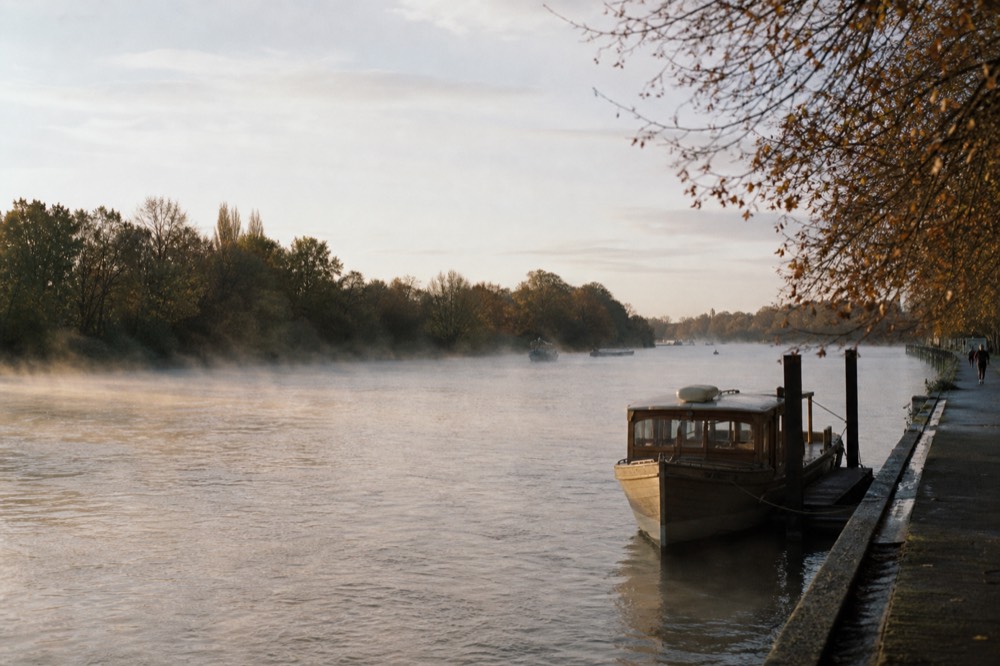
The themed calendar is the part worth planning around, because it is where the town's character shows. Vintage afternoon tea sailings run on selected Sundays into September, jazz cruises land on 27 August and on 6 and 20 September, and the Henley Jazz Festival takes over the weekend of 26 and 27 September. Later in the year there are Christmas and Santa sailings in December, and a murder mystery evening on 31 October. Public trips run April to mid-October; everything after that is a dated event rather than a timetable.
One honest caveat about the reach itself. Environment Agency notices for 2026 flag course works and event preparation around Hambleden and Henley from March through September, which is normal for a regatta river rather than a problem, but it does mean the water is not always empty and quiet in the way the photographs suggest. Late September, after the festival weekend, is the quietest end of the public season.
Is Windsor prettier than Henley?
On the river alone, no. As a day out, arguably yes, because Windsor has the most frequent boat service on the non-tidal Thames. French Brothers runs a 40-minute round trip daily from 14 February to 1 November 2026, at least every half hour between 10:00 and 17:00, from £11.90 online or £13.50 on the day.
Frequency changes what a river town is for. At Henley you plan around three afternoon departures. At Windsor you walk down to the water and get on the next boat, which is a completely different relationship with the place, and it explains why the Windsor river frontage feels busier and more used than anywhere else upstream.
The 40-minute trip runs upstream towards Boveney Lock and the ticket is an open one, valid for any sailing that day. The two-hour round trips are the better sail if you have the afternoon: upstream daily at 13:30 from 2 May to 27 September, then weekends only until 1 November, and a newer downstream option through Romney Lock and Datchet daily at 14:00 from 23 May to 27 September. Those run £19.40 online against £22 on the day, with an optional cream tea at £10 a head.
The oddity in the French Brothers fleet is worth a paragraph. Among sixteen craft there are genuine Victorian coal-fired steamboats, and they come out on a handful of dated 2026 sailings: 6, 13 and 20 June, then 12, 19 and 26 July, then 1, 8, 15 and 22 August, at 11:30, 13:00, 14:30 and 16:00. An hour aboard one is £19 for an adult and £12.75 for a child. There is nothing comparable anywhere else on the Thames, London included.
| Town | Operator | What sails | 2026 season | Adult from |
|---|---|---|---|---|
| Windsor | French Brothers | 40-minute round trip to Boveney Lock | 14 Feb to 1 Nov daily, weekends to 20 Dec | £11.90 online, £13.50 on the day |
| Windsor | French Brothers | 2-hour round trip, upstream or downstream | Upstream from 2 May, downstream from 23 May, to 27 Sept | £19.40 online, £22 on the day |
| Windsor | French Brothers | Victorian steamboat, 1 hour | Selected dates, June to August | £19 |
| Maidenhead to Windsor | French Brothers | Shuttle service, one way each direction | 26 May to 26 Sept, Tuesday to Saturday | Check the timetable |
| Henley-on-Thames | Hobbs of Henley | 1-hour Regatta reach sightseeing | 1 April to 30 September | £12 |
| Oxford | Salters Steamers | Folly Bridge to Iffley Lock, short trip | Daily April to September, hourly | £16 |
| Oxford to Abingdon | Salters Steamers | One-way scenic cruise, about 2 hours | Mon to Thu, 20 July to 27 August | About £23 single |
| Oxford | Oxford River Cruises | 45-minute small-group electric launch | Active through 2026 | About £21 to £25 |
| Marlow | Salters Steamers | 40-minute short trip | Summer only, subject to availability | Check the timetable |
| Kingston to Hampton Court | Turks Launches | Seasonal passenger service | March to October | £10 single, £13 return |
| Westminster to Hampton Court | Thames River Boats | Full-day upriver run via Kew and Richmond | May to October | £27 single, £36 return |
Those are the published 2026 figures at the time of writing, and every one of them is a from-price that moves with date, ticket type and how far ahead you buy. The pattern across the whole table is consistent: buying online beats buying at the kiosk, sometimes by a couple of pounds and sometimes by more.
Which riverside towns can you actually reach by boat?
Fewer than the reputation suggests. Scheduled passenger services in 2026 cover Windsor, Maidenhead, Runnymede, Henley, Oxford, Abingdon, Marlow occasionally, Kingston and Hampton Court, plus the tidal London stretch. Everything else on the river is walking, driving or your own boat.
This is the practical heart of the question and it reorders the answer completely. Goring, for instance, is one of the loveliest settings on the whole Thames, sitting in the gap where the river cuts between the Chilterns and the Berkshire Downs, and there is no boat to put you on it. The same is true of most of the upper river above Oxford, where the water narrows to something a passenger launch cannot usefully work.
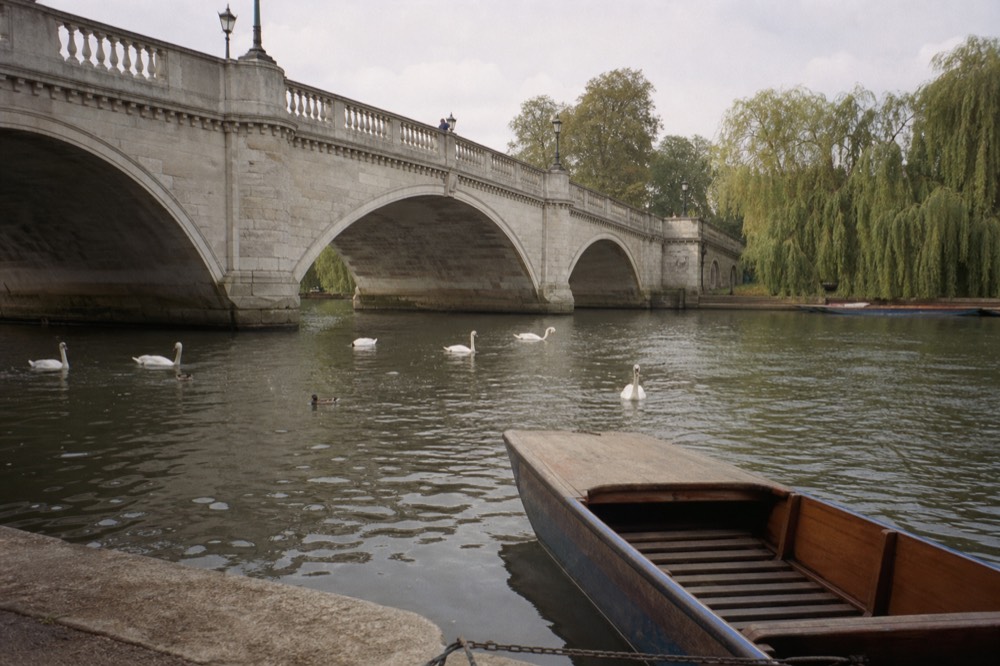
The other thing to understand is that the upriver operators sell direct. French Brothers, Salters, Hobbs and Turks each take their own bookings on their own timetables, and none of them appear among the sailings listed on this site, which are the London ones. That is a straightforward split rather than a complaint: the tidal river through the capital is where the daily, year-round, book-anytime services run, and the upper river is a set of seasonal operations you plan around individually. The full upriver picture, operator by operator, sits in the guide to cruises beyond London.
If you want the two halves in one trip, the connecting service is the useful one. Thames River Boats runs from Westminster up through Kew and Richmond to Hampton Court between May and October, with a licensed bar aboard and sailing times that shift with the tide, at £27 single or £36 return. It is a full day rather than an excursion, and it is the only scheduled way to travel from central London to a genuinely rural stretch of the same river.
What about Marlow, Goring and Abingdon?
All three are beautiful and none of them is a boarding town. Marlow gets occasional 40-minute summer trips subject to availability. Abingdon is reachable as a one-way destination from Oxford on Mondays to Thursdays between 20 July and 27 August. Goring has no scheduled passenger service at all.
Marlow has the strongest single view of the three. The suspension bridge, the weir and the church tower line up on the water in a way that photographs almost too easily, and the reach above the lock is quiet in a way Henley never quite manages in summer. The boats are the problem: short trips only, run when the fleet can spare a vessel, which means turning up hoping rather than turning up booked.
Abingdon rewards the effort more than any other upriver destination, because the way you get there is the point. The Salters run from Oxford is roughly two hours of lock-by-lock countryside through Iffley and Sandford, ending at a town with abbey grounds and a medieval bridge on the water. A single is around £23. Doing it one way and returning overland turns a boat trip into a proper day.
Goring is the honest omission from every boat-based ranking. The Goring Gap is the most dramatic piece of landscape the Thames passes through anywhere in its length, the river cutting between two ranges of chalk hills, and the only ways to see it are the towpath and your own hull. The Environment Agency's own navigation notices refer to the Goring to Culham stretch as one unit, which tells you something about how the river is managed up there: it is a lock-and-weir system for boats that live on it, not a passenger route.
For anyone walking rather than sailing, the Thames Path national trail runs 185.2 miles from a Cotswolds field near Kemble to the Woolwich Foot Tunnel, and since 2022 it has joined the England Coast Path at Woolwich to make a continuous source-to-sea route of about 232 miles. A moderate pace covers the whole thing in about a fortnight. Goring, Marlow and Cricklade are all on it.
Is Oxford really a Thames town?
Yes, though it does not behave like one. Oxford meets the river at Folly Bridge rather than along a frontage, and what you see from a boat is meadow, college boathouses and the university's rowing water rather than a town at all. Salters runs hourly short trips from April to September at £16 for an adult.
The Salters run from Folly Bridge down to Iffley Lock takes in Christ Church Meadow and the university boat clubs, which is genuinely distinctive: nowhere else on the Thames does the water belong so completely to one institution. Children are £11 and under-threes go free. There is a second operator on the same water, Oxford River Cruises, running 45-minute small-group sailings on electric Edwardian-style launches with a maximum of about twelve aboard, at roughly £21 to £25 an adult, with afternoon tea and picnic variants that run longer and cost considerably more.
Self-hire is the Oxford speciality and the reason the town belongs in any river ranking. Salters hires punts, rowing boats and diesel day boats from Easter through October, weather permitting, with punts at roughly £25 to £30 an hour. A punt is a slow, awkward and completely unmatched way to spend an afternoon on the upper Thames, and it is the closest most people get to being alone on the river.
The larger point about Oxford is that it marks a boundary. Below it the Thames is a navigation that carries passenger boats. Above it the river becomes small, private and increasingly rural until it stops being navigable at all. If the question is which end of the river is prettiest, the honest answer is that the prettiest water has the fewest boats on it, which is the same trade-off every stretch makes.
Where is the prettiest stretch inside London?
Richmond to Kew, comfortably. It is tidal, green, bounded by botanic gardens and a terraced hill, and the seasonal Westminster to Hampton Court service runs straight through it. Greenwich is the other contender, and it wins on architecture rather than landscape, having been built specifically to be looked at from mid-river.
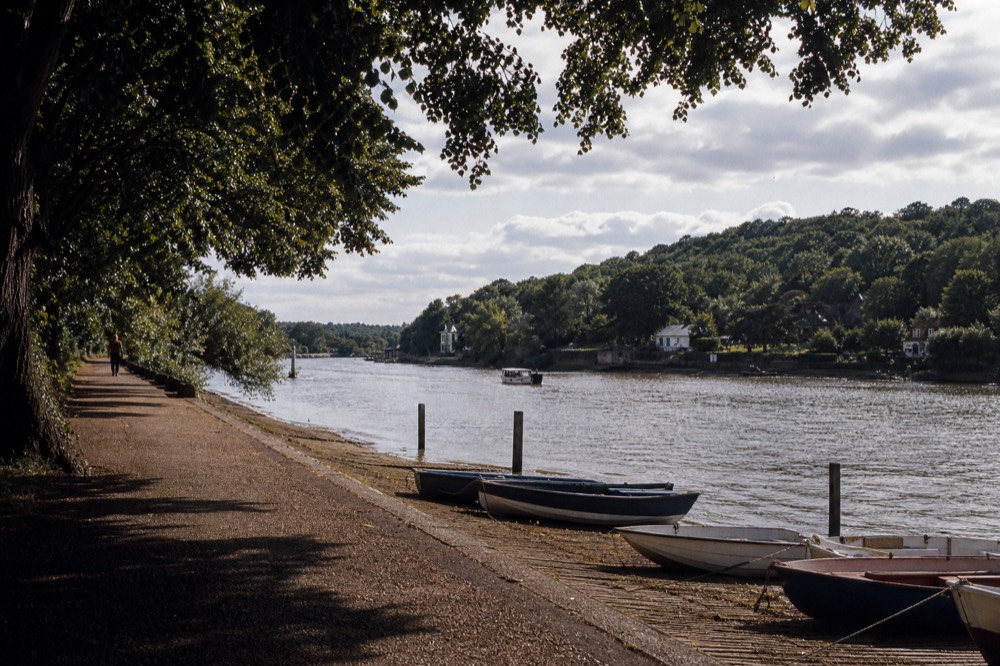
Richmond is the surprise for visitors who only know the central river. The water bends past a towpath under trees, the hill rises on one bank with terraces above it, and the whole thing looks far more like the upper Thames than like London. Ham and Kingston, just upstream, became the first designated bathing water on the Thames in London for the 2026 season, which is a reasonable proxy for how the stretch is now regarded, though summer monitoring there did record algae and bacteria issues and the honest state of the water gets a fuller treatment in the piece on whether you can swim in the river.
Greenwich is a different kind of beautiful and it is the one most visitors actually reach. The riverside there is a designated World Heritage Site, and the composition it was built around, the Queen's House framed between two colonnaded blocks with the Observatory on the hill behind, only resolves properly from the middle of the river. Arriving by boat is not a nicer way to see it. It is the way it was drawn to be seen, and it is a fair share of why this river is famous at all rather than merely long.
| Where | What the water gives you | How you reach it | Season |
|---|---|---|---|
| Richmond and Kew | Wooded tidal bends, botanic garden frontage, a hill above the towpath | The seasonal Westminster to Hampton Court service | May to October |
| Hampton Court | Palace grounds on a quiet reach above the tideway | The same service, or Turks from Kingston | May to October, and March to October from Kingston |
| Greenwich | Maritime architecture composed for a mid-river viewpoint | Any downstream sightseeing sailing, all year | Daily, year round |
| The Pool of London | Tower Bridge from underneath and the river face of the Tower | Central sightseeing and circular sailings | Daily, year round |
| Westminster to Blackfriars | Parliament, the South Bank and the bridge sequence | Every central sailing, and the day pass | Daily, year round |
The practical difference between the London stretch and everything upriver is availability. The central sailings run every day of the year apart from Christmas Day, at a published timetable, with tickets you can buy on the morning. Nothing above Teddington offers that. If you want a riverside town in September you plan around a seasonal timetable; if you want the river in February, London is the answer by default. The ranked comparison of the London options, boat by boat, is what Thames River Cruises exists for.
How do you pair a riverside town with a day on the London river?
Give each one its own day. Upriver towns run seasonal timetables with a handful of departures, so they need the afternoon built around them. The London river runs all day, every day, which makes it the flexible half of the trip and the one to slot around everything else.
The sequencing that works best is river town first, London second. An upriver day is weather-dependent and timetable-dependent, so it wants to sit early in a trip where it can be moved. The central sailings are the fallback that never falls through: departures roughly every half hour in summer on the main corridor, four piers on the day pass, and boats running from mid-morning until early evening.
If the London day is the one you are building, the day pass is the ticket that behaves most like an upriver excursion, because it turns the boat into transport rather than an event. It covers Westminster, London Eye, Tower and Greenwich piers, sails between 10:00 and 18:00, and pays for itself against roughly two single sightseeing tickets. The full breakdown of what each ticket buys goes pier by pier, and you can check the pass on your date to see how it prices against singles.
For a single sailing rather than a day of them, the downstream run to Greenwich is the one that mirrors an upriver trip most closely: an hour, one way, ending somewhere worth walking around, with the return by rail or river. That comparison against the rest of the fleet sits in the ranked cruise guide, and the pier-by-pier detail of the route itself is in the Westminster to Greenwich guide. Prices move with the date, so see what your day costs before you fix the rest of the itinerary around it.
One planning note that applies to the whole river in 2026. Environment Agency navigation notices have flagged dry conditions and low water affecting locks from Sunbury through Molesey to Teddington from late August, with earlier restrictions on the St John's to Osney, Goring to Culham and Penton Hook to Shepperton stretches, and works around Caversham in August and September. None of it amounts to a closure on any cruise route, but the current restrictions and closures list is the thing to check the week before an upriver day rather than the month before.
Common questions
Which Thames town is the prettiest?
Henley-on-Thames is the usual answer and it holds up, mainly because of the Regatta reach between Marsh and Hambleden locks: wide, straight, wooded on both banks and kept that way for well over a century. Windsor runs it close and has far more boats. There is no official designation for any of this, and none of the primary bodies publishes a ranked list.Can you get a boat from London to Windsor?
Not as a scheduled through service. The furthest upstream you can go on a timetabled boat from central London is Hampton Court, on the Thames River Boats service from Westminster via Kew and Richmond, which runs May to October at £27 single or £36 return. Windsor is served by French Brothers, running its own local round trips and shuttles rather than anything from the capital.What is the cheapest riverside town cruise on the upper Thames?
Hobbs of Henley's one-hour sightseeing trip at £12 for an adult, £10 for a senior and £7.50 for a child aged 4 to 15, running 1 April to 30 September. French Brothers' 40-minute Windsor round trip is close behind at £11.90 booked online, and it runs far more often, roughly every half hour through the main season.Is Greenwich a Thames town?
It is the tidal river's own answer to the question. Greenwich is a designated World Heritage Site whose central composition was laid out to be read from mid-river, which is why arriving by boat looks so much better than arriving by rail. It is also the only riverside destination in this piece reachable on a daily, year-round passenger service.When is the best month to see a Thames town from the water?
Late September, for the upper river. The public seasons are still running at Henley until the end of the month and at Windsor until November, the school-holiday traffic has gone, and the light is low enough to do the wooded reaches justice. May and June are the other strong window, before the peak-season crowding sets in on the Regatta reach.The tidy answer is Henley, and it is not a wrong answer. The more useful one is that the prettiest water on the Thames and the most reachable water on the Thames sit at opposite ends of it, and a good river trip usually needs one day of each.